
What’s the Best Way to Maintain Your Truck’s Electrical System?
A truck’s electrical system powers everything from starting to emissions controls. This guide covers batteries, alternators, wiring, ECUs, and preventive maintenance tips to help heavy-duty diesel trucks avoid electrical failures, reduce downtime, and stay reliable on the road.
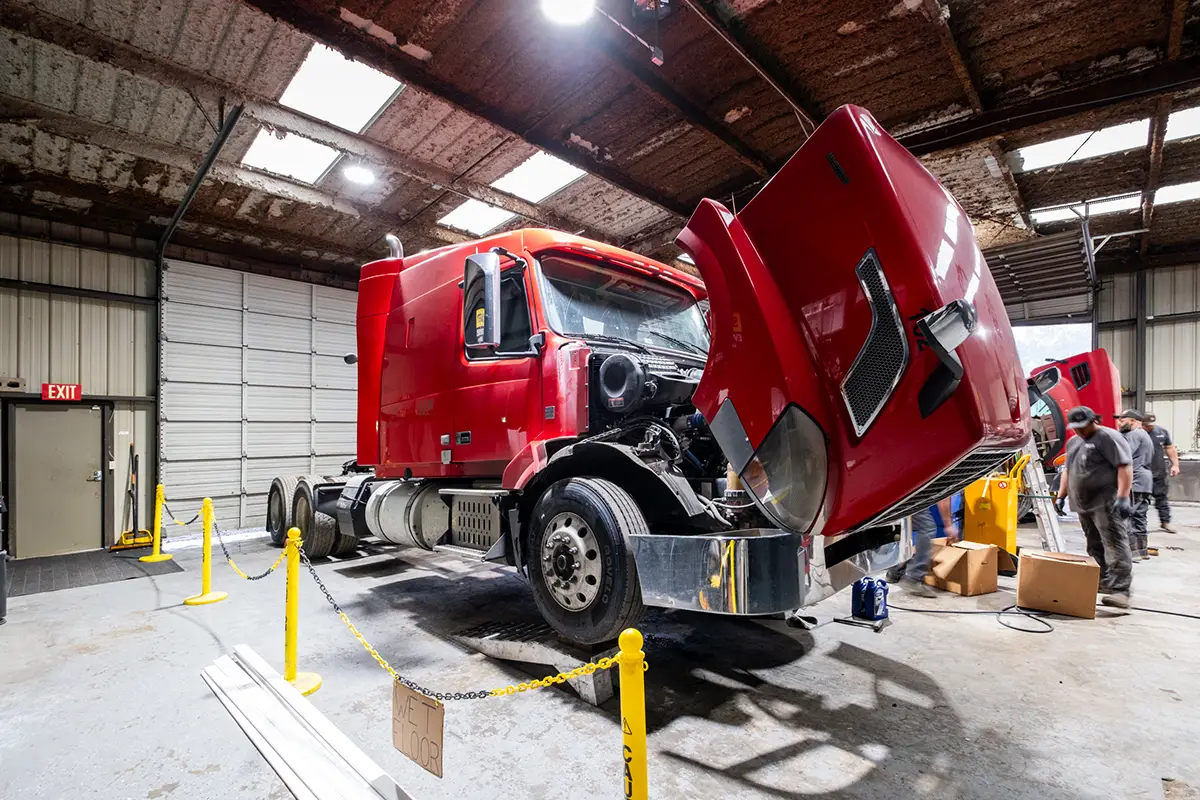
When it comes to heavy-duty diesel trucks, the electrical system powers everything from your starter motor to your headlights, dashboard controls, and even your after-treatment sensors. If you’ve ever found yourself stranded on the side of I-55 or stuck in the yard because of a dead battery or faulty alternator, you already know how critical proper electrical maintenance is.
Let’s dive into the best ways to keep your truck’s electrical system in tip-top shape so it never lets you down, whether you’re hauling across Mississippi or idling at a job site in Jackson.
Understand What Powers What
Your truck’s electrical system is more than just wires and a battery. It’s a complex network that includes:
- Battery – Supplies power during startup and when the engine's off.
- Starter Motor – Turns the engine over during ignition.
- Glow Plugs – Heats the air-fuel mixture for ignition.
- Alternator – Generates electricity once the engine is running, recharging your battery and powering onboard electronics.
- ECU and Sensors – Monitor and regulate everything from fuel injection to exhaust emissions.
Each of these components has a role to play—and if one goes, the rest can follow like dominoes.
1. Start with Battery Maintenance
Think of your battery as the heart of your truck’s electrical system. Without it, you’re not going anywhere.
Here’s what to check regularly:
- Voltage Levels – A fully charged battery should read around 12.6 volts with the engine off and 13.7–14.7 volts when running.
- Corrosion – Clean any white or blue gunk off the terminals using baking soda and water. Corroded terminals block current flow.
- Secure Mounting – Loose batteries can shift and short out. Not to mention, vibrations can shorten their life.
- Date Codes – If your battery’s over 3–5 years old, it might be time for a replacement, especially in Mississippi’s brutal summer heat.
2. Don’t Sleep on the Alternator
Once the engine is running, the alternator takes over. It keeps your systems powered and your battery charged.
Signs your alternator may be on the fritz:
- Dim headlights when idling
- Flickering dashboard lights
- Battery warning light on
- Weak cranking or frequent battery drain
An alternator is driven by a serpentine belt, and if that belt snaps or slips, the alternator stops spinning, and your truck loses power fast. Always inspect the belt for cracks and tension during your regular service checks.
3. Inspect Wiring and Grounds
A faulty wire or poor ground connection can cause all sorts of ghost issues. Think intermittent electrical failures or random warning lights.
Best practices for wiring checks:
- Look for frayed, burnt, or brittle wires, especially near heat sources like the engine block.
- Use dielectric grease on terminal connectors to prevent corrosion.
- Ensure all grounding straps are tight and clean. A bad ground can mimic major electrical failures.
- Check the harnesses near the frame and suspension. Those areas take a beating from vibration and road debris.
Pro tip: If you’re chasing down an electrical gremlin, always start with the grounds.
4. Maintain Your Starter System
A starter motor draws a massive amount of power, especially in cold weather. If your battery is weak or your cables are loose, the truck may not start at all.
Tips for keeping your starter healthy:
- Keep cable connections tight and corrosion-free.
- Listen for clicking or grinding when starting. That could signal a worn-out solenoid or failing motor.
- Avoid “short cranking” your engine repeatedly. Let the system reset between attempts to prevent overload.
If you hear a slow crank, don't always blame the battery; the starter motor might be struggling.
5. Protect Your ECU and Sensors
Modern diesel trucks are basically rolling computers. Your Engine Control Module (ECU) regulates nearly everything under the hood—from fuel ratios to emissions. Sensors feed it data constantly.
To keep your ECU healthy:
- Never jump-start with reversed polarity, as this can fry the system.
- Keep water out of connections with sealed weatherproof plugs.
- Perform regular diagnostic scans to detect sensor issues before they become major headaches.
- Ensure DEF, DPF, and EGR systems are functioning; electrical faults in these areas can reduce power and trigger limp mode.
6. Embrace Preventive Maintenance
An ounce of prevention is worth a pound of tow bills. Routine electrical inspections should be baked into your preventive maintenance schedule.
What to include:
- Load testing your battery
- Alternator output tests
- ECU health scans
- Wire and connector inspections
- Belt tension and condition checks
Set a maintenance interval. Monthly for high-mileage trucks, quarterly for moderate use.
7. Keep It Clean and Dry
Moisture and grime are the kryptonite of electrical systems. Trucks operating around Braxton or Jackson, especially near the Delta, know all too well what humidity can do.
Simple cleaning tips:
- Use contact cleaner on terminals and fuse boxes.
- Inspect for water intrusion around headlight assemblies, connectors, and fuse panels.
- Keep undercarriage areas clean, especially after winter road treatments or heavy rain.
When water finds its way into the wrong place, it’ll short a circuit faster than you can say “breakdown.”
8. Monitor Power Draw and Parasitic Losses
Ever had a truck that randomly won’t start after sitting for a couple of days? That’s likely a parasitic drain, something in your electrical system drawing power even when the truck’s off.
Common culprits include:
- GPS tracking units
- Malfunctioning inverters
- Aftermarket lighting
- Faulty relays
A multimeter can help identify unexpected current draw, but it’s best to let professional techs perform a full electrical system diagnosis if you’re not sure.
Conclusion
At the end of the day, your truck’s electrical system is a delicate balance of brute power and sensitive electronics. Maintaining it isn't just about avoiding inconvenience, it’s about keeping your business rolling and your rig safe.
Follow these steps, make electrical maintenance part of your routine, and your truck will start strong and run smarter—no matter if you're navigating a Braxton back road or grinding gears through Jackson rush hour.
Contact Us
Operating out of our truck repair shop in Braxton, we also provide mobile truck repairs within a 50 mile radius, including service to Jackson & Magee, MS. Get in touch with E&R Diesel Service today to request service!
Hours
24/7 Breakdown Callouts